Crm software with whatsapp and social media integration: Top 7 CRM Software with WhatsApp and Social Media Integration for 2024

In today’s hyper-connected world, businesses need more than just a digital presence—they need seamless communication. A CRM software with WhatsApp and social media integration is no longer a luxury; it’s a necessity for staying competitive, responsive, and customer-centric in real time.
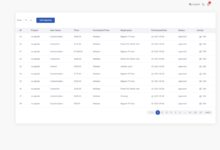
Why CRM Software with WhatsApp and Social Media Integration Is a Game-Changer

The fusion of CRM systems with real-time communication platforms like WhatsApp and social media has revolutionized customer relationship management. Traditional CRMs were built for tracking leads and managing sales pipelines, but modern customer expectations demand instant, personalized, and omnichannel engagement. This is where CRM software with WhatsApp and social media integration steps in—bridging the gap between data-driven insights and real-time conversations.
Meeting Modern Customer Expectations
Today’s customers expect immediate responses. According to a Meta-commissioned study, 89% of consumers prefer messaging apps over phone calls for customer service. WhatsApp alone boasts over 2 billion users globally, making it one of the most powerful direct communication channels. When integrated into a CRM, businesses can respond faster, reduce response times, and deliver personalized experiences at scale.
- Customers expect instant replies—especially on messaging platforms.
- Social media is now a primary channel for customer inquiries and complaints.
- Personalization increases conversion rates by up to 20% (McKinsey).
Breaking Down Communication Silos
One of the biggest challenges in customer service is fragmented communication. Sales, support, and marketing teams often operate in isolation, using different tools and platforms. A CRM software with WhatsApp and social media integration unifies these channels into a single dashboard, ensuring that every customer interaction—whether via Facebook Messenger, Instagram DM, or WhatsApp—is logged, tracked, and actionable.
“Omnichannel engagement isn’t just about being present on multiple platforms—it’s about creating a continuous, coherent conversation across them.” — Gartner
This integration eliminates the need to switch between apps, reduces human error, and ensures that no customer message falls through the cracks. For example, if a lead messages your brand on Instagram, the CRM automatically captures their profile, past interactions, and preferences, enabling agents to respond with context and relevance.
Key Features to Look for in CRM Software with WhatsApp and Social Media Integration
Not all CRM platforms offer the same level of integration or functionality. To maximize ROI, businesses must evaluate CRM software with WhatsApp and social media integration based on specific features that support scalability, automation, and data intelligence.
Unified Inbox for All Messaging Channels
A unified inbox is the cornerstone of effective omnichannel CRM systems. It consolidates messages from WhatsApp, Facebook, Instagram, Twitter (X), and even email into a single interface. This allows customer service agents to manage all conversations from one place, assign tickets, set priorities, and maintain conversation history.
For instance, platforms like Zoho CRM offer a unified messaging center that syncs with WhatsApp Business API, enabling teams to respond to customer queries without switching apps. This reduces response time and improves team efficiency.
Automated Workflows and Chatbots
Automation is critical for scaling customer engagement. CRM software with WhatsApp and social media integration should support automated workflows such as auto-replies, message routing, and chatbot interactions. These tools can handle common queries (e.g., order status, business hours, FAQs) 24/7, freeing up human agents for complex issues.
- Chatbots can resolve up to 80% of routine inquiries (IBM).
- Automated tagging and lead scoring improve follow-up efficiency.
- Workflow triggers can send personalized messages based on user behavior.
For example, if a customer abandons a cart on your e-commerce site, the CRM can trigger a WhatsApp message offering a discount or assistance—directly from the customer’s preferred messaging app.
Real-Time Analytics and Reporting
Data is only valuable if it’s actionable. Advanced CRM platforms provide real-time analytics on message volume, response times, customer satisfaction (CSAT), and conversion rates across social and messaging channels. These insights help businesses optimize their engagement strategies and identify bottlenecks.
Tools like HubSpot CRM offer dashboards that track social media engagement metrics alongside sales performance, giving a holistic view of customer journeys. This enables marketing and sales teams to align their efforts based on actual customer behavior.
Top 7 CRM Software with WhatsApp and Social Media Integration
Choosing the right CRM software with WhatsApp and social media integration depends on your business size, industry, and communication needs. Below is a curated list of the top 7 platforms that excel in omnichannel engagement, automation, and scalability.
crm software with whatsapp and social media integration – Crm software with whatsapp and social media integration menjadi aspek penting yang dibahas di sini.
1. HubSpot CRM
HubSpot CRM is a leader in inbound marketing and sales automation, and its integration with social media and WhatsApp (via third-party tools like Respond.io or via WhatsApp Business API partners) makes it a powerful choice for growing businesses.
- Free plan with robust CRM features.
- Native integration with Facebook, Instagram, and LinkedIn.
- Supports WhatsApp through API partners and embedded messaging.
HubSpot’s strength lies in its ecosystem. It connects seamlessly with marketing, sales, and service hubs, allowing businesses to create personalized workflows across channels. For example, a lead from a Facebook ad can be automatically added to a WhatsApp nurture sequence.
2. Zoho CRM
Zoho CRM offers one of the most comprehensive native integrations with WhatsApp and social media platforms. Its SocialInbox feature allows teams to monitor and respond to messages from Facebook, Twitter, Instagram, and WhatsApp directly within the CRM.
- Native WhatsApp Business API integration.
- AI-powered assistant (Zia) for sentiment analysis.
- Automated workflows for social media leads.
Zoho’s affordability and scalability make it ideal for SMEs. It also supports multi-channel automation, such as sending follow-up messages on WhatsApp after a customer interacts with a Facebook post.
3. Salesforce Service Cloud
Salesforce is the gold standard for enterprise CRM, and its Service Cloud offers deep integration with social media and digital messaging, including WhatsApp via the Digital Engagement feature.
- Advanced AI (Einstein Bots) for automated customer service.
- Real-time case management across social and messaging channels.
- Customizable dashboards for social media performance.
Salesforce’s strength is its flexibility. With AppExchange, businesses can add WhatsApp integration through certified partners like Tatango or CloudHQ. This makes it suitable for large organizations with complex workflows.
4. Freshsales (by Freshworks)
Freshsales is known for its user-friendly interface and strong automation capabilities. It integrates with WhatsApp via API and supports social media monitoring through Freshdesk, its customer support arm.
- AI-based lead scoring and routing.
- Visual workflow builder for omnichannel engagement.
- Real-time notifications for social media mentions.
Freshsales excels in speed and simplicity. Its mobile app allows sales reps to respond to WhatsApp messages directly from the CRM, ensuring no lead is missed. It’s particularly effective for startups and mid-sized businesses.
5. Sendinblue (Now Brevo)
While primarily known as an email marketing platform, Brevo (formerly Sendinblue) has evolved into a full-fledged CRM with strong WhatsApp and social media integration capabilities.
- Direct WhatsApp messaging via API.
- Automated campaigns across email, SMS, and WhatsApp.
- Social media ad integration for lead capture.
Brevo’s strength lies in its marketing automation. Businesses can create multi-channel campaigns that start with a Facebook ad, continue with an email, and conclude with a personalized WhatsApp message—all tracked within the same CRM.
6. ActiveCampaign
ActiveCampaign combines CRM, email marketing, and automation in one platform. While it doesn’t have native WhatsApp integration, it supports WhatsApp via Zapier or API connections with providers like Twilio.
- Powerful automation workflows with conditional logic.
- Dynamic content based on customer behavior.
- Social media lead capture forms.
For businesses already using ActiveCampaign, adding WhatsApp is straightforward through third-party connectors. Its strength is in hyper-personalization—sending the right message at the right time across channels.
7. Sprout Social + CRM Integrations
Sprout Social is a leading social media management platform that integrates with major CRMs like Salesforce, HubSpot, and Zoho. While not a CRM itself, it enhances CRM software with WhatsApp and social media integration by providing deep social listening and engagement tools.
crm software with whatsapp and social media integration – Crm software with whatsapp and social media integration menjadi aspek penting yang dibahas di sini.
- Unified publishing and engagement calendar.
- Advanced sentiment analysis and keyword monitoring.
- Seamless data sync with CRM systems.
For brands focused on social media, Sprout Social acts as a force multiplier. When a customer mentions your brand on Twitter, Sprout can trigger a CRM event, assign a ticket, and even initiate a WhatsApp follow-up—all automatically.
How to Implement CRM Software with WhatsApp and Social Media Integration
Adopting a CRM software with WhatsApp and social media integration isn’t just about installing software—it’s about transforming your customer engagement strategy. A successful implementation requires planning, training, and continuous optimization.
Assess Your Communication Channels
Start by auditing your current customer touchpoints. Which platforms do your customers use most? Is WhatsApp dominant in your region? Are Instagram DMs a common source of leads? Understanding your audience’s preferred channels helps prioritize integration efforts.
For example, in Latin America and Southeast Asia, WhatsApp is the primary communication tool, while in North America, Facebook and Instagram may be more relevant. Tailor your CRM setup accordingly.
Choose the Right Integration Method
There are two main ways to integrate WhatsApp with CRM: WhatsApp Business API and third-party messaging platforms.
- WhatsApp Business API: Best for large businesses needing high-volume messaging, automation, and official business verification.
- Third-party platforms (e.g., Respond.io, MessageBird): Ideal for SMEs wanting quick setup and multi-channel support.
For social media, most CRMs offer native integrations with Facebook and Instagram. Twitter and LinkedIn may require API connections or middleware tools like Zapier.
Train Your Team and Set Up Workflows
Even the best CRM software with WhatsApp and social media integration will fail without proper team training. Ensure your sales, marketing, and support teams understand how to use the unified inbox, respond to messages, and leverage automation.
Create standard operating procedures (SOPs) for common scenarios:
- How to respond to a customer complaint on Facebook.
- How to convert a WhatsApp inquiry into a sales opportunity.
- How to escalate a high-priority message.
Regular training sessions and performance reviews help maintain consistency and quality.
Benefits of Using CRM Software with WhatsApp and Social Media Integration
The advantages of integrating CRM with real-time messaging and social platforms go beyond convenience—they drive measurable business outcomes.
Improved Customer Response Time
With all messages centralized in one dashboard, teams can respond faster. Studies show that responding to a customer inquiry within five minutes increases conversion rates by up to 400% (InsideSales).
A CRM software with WhatsApp and social media integration ensures that no message is missed, even during peak hours. Automated replies and chatbots further reduce wait times, enhancing customer satisfaction.
Higher Lead Conversion Rates
Social media and WhatsApp are rich sources of warm leads. When these leads are captured directly into the CRM, sales teams can follow up instantly with personalized messages.
crm software with whatsapp and social media integration – Crm software with whatsapp and social media integration menjadi aspek penting yang dibahas di sini.
- Leads from Instagram ads can be auto-added to a WhatsApp nurture sequence.
- Customers who message “Hi” on WhatsApp can be tagged and assigned to a sales rep.
- Behavior-based triggers send timely offers, increasing conversion likelihood.
For example, a real estate agency using Zoho CRM reported a 35% increase in lead conversion after integrating WhatsApp and automating follow-ups.
Enhanced Customer Insights and Personalization
Every interaction on WhatsApp or social media adds to the customer’s profile in the CRM. Over time, this builds a 360-degree view of the customer, including their preferences, pain points, and communication style.
This data enables hyper-personalized marketing. For instance, if a customer frequently asks about product availability via WhatsApp, the CRM can trigger a personalized catalog update message every time new stock arrives.
“Personalization is no longer a nice-to-have—it’s the expectation. Brands that deliver relevant, timely messages win loyalty.” — Salesforce State of the Connected Customer Report
Challenges and How to Overcome Them
While the benefits are clear, implementing CRM software with WhatsApp and social media integration comes with challenges that must be addressed proactively.
Data Privacy and Compliance
WhatsApp and social media platforms have strict data protection policies. Businesses must comply with regulations like GDPR, CCPA, and local data laws when storing and processing customer messages.
Solution: Choose CRM platforms that offer end-to-end encryption, data residency options, and consent management tools. Always inform customers that their messages may be stored and used for service improvement.
Managing High Message Volumes
As engagement grows, so does the volume of messages. Without proper routing and automation, teams can become overwhelmed.
Solution: Implement AI-powered chatbots, auto-tagging, and priority routing. Use CRM workflows to escalate urgent messages and distribute inquiries evenly among agents.
Integration Complexity
Connecting multiple platforms—especially WhatsApp API—can be technically challenging for non-technical teams.
Solution: Work with certified integration partners or use no-code tools like Zapier. Start with a pilot project before scaling across departments.
Future Trends in CRM and Social Media Integration
The future of CRM software with WhatsApp and social media integration is shaped by AI, automation, and deeper platform convergence.
Rise of AI-Powered Conversational CRM
AI is transforming CRM from a passive database into an active conversation engine. Future systems will use natural language processing (NLP) to understand customer intent, suggest responses, and even predict needs before they’re expressed.
For example, AI could detect frustration in a customer’s WhatsApp message and automatically escalate it to a senior agent, while suggesting a discount to de-escalate the situation.
crm software with whatsapp and social media integration – Crm software with whatsapp and social media integration menjadi aspek penting yang dibahas di sini.
Embedded Commerce in Messaging Apps
Platforms like WhatsApp are evolving into commerce hubs. Businesses will soon be able to send catalogs, process payments, and deliver receipts—all within a chat.
CRM systems will need to integrate with these commerce features, turning every WhatsApp conversation into a potential sales transaction. This will blur the lines between customer service and sales.
Unified Customer Identity Across Platforms
One of the biggest challenges today is identifying the same customer across Facebook, Instagram, and WhatsApp. Future CRM systems will use AI and identity resolution to create a single customer profile, regardless of the channel.
This will enable truly seamless experiences—starting a chat on Instagram, continuing on WhatsApp, and completing a purchase via email, all tracked in one place.
What is CRM software with WhatsApp and social media integration?
CRM software with WhatsApp and social media integration is a customer relationship management system that connects your business’s messaging apps (like WhatsApp) and social platforms (like Facebook, Instagram, Twitter) into a unified dashboard. This allows teams to manage conversations, automate responses, and track customer interactions across channels—all from a single platform.
Why should I integrate WhatsApp into my CRM?
Integrating WhatsApp into your CRM improves response times, enhances customer experience, and increases lead conversion. With over 2 billion users, WhatsApp is a primary communication channel in many regions. By connecting it to your CRM, you ensure no message is missed and every interaction is personalized and tracked.
Can small businesses benefit from CRM software with WhatsApp integration?
Absolutely. Small businesses often rely on personal relationships and quick responses. CRM software with WhatsApp and social media integration helps them scale their communication without losing the personal touch. Platforms like Zoho CRM and Brevo offer affordable plans tailored for SMEs.
Is WhatsApp integration compliant with data privacy laws?
Yes, but only if implemented correctly. Businesses must use official WhatsApp Business API providers, obtain customer consent before messaging, and comply with data protection regulations like GDPR. Always choose CRM platforms that prioritize data security and offer compliance tools.
How do I choose the best CRM with social media integration?
crm software with whatsapp and social media integration – Crm software with whatsapp and social media integration menjadi aspek penting yang dibahas di sini.
Look for a CRM that offers native or seamless integration with your key channels (especially WhatsApp and major social platforms), supports automation, provides real-time analytics, and fits your budget. Consider scalability, ease of use, and customer support when making your decision.
CRM software with WhatsApp and social media integration is transforming how businesses engage with customers. By unifying communication channels, automating responses, and leveraging data, companies can deliver faster, more personalized, and more effective customer experiences. Whether you’re a startup or an enterprise, investing in an integrated CRM is no longer optional—it’s essential for staying competitive in the digital age. As AI and embedded commerce evolve, the future of CRM will be even more conversational, intelligent, and customer-centric.
Further Reading: